JanSport Hatchet Backpack Review

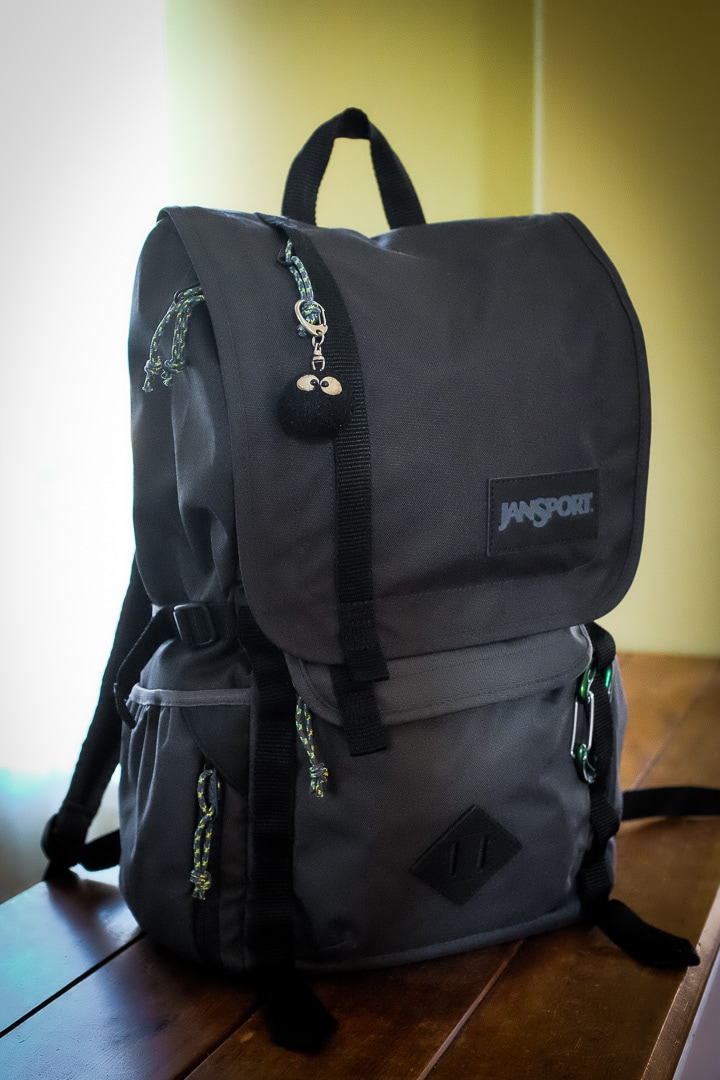
JanSport Hatchet Backpack, in Grey Tar
Photo info: FUJIFILM X100T, 23mm, f/3.2, 1/60 sec, ISO6400
JanSport Hatchet Backpack, in Grey Tar

I bought a new backpack a couple of weeks ago – the JanSport Hatchet Backpack, in Grey Tar. It’s has a 28-liter capacity which I’d consider a medium-sized pack, bigger than my Patagonia Minimass messenger bag, but smaller than my North Face Router (41-liter) backpack. Not only is it smaller than the Router, it is much lighter (but less rugged). The design of the top flap is what really attracted me to this bag. And not only the look, but the function. As with everything, there are pros and cons. So let’s dive right in with my JanSport Hatchet backpack review!

First off, the JanSport Hatchet comes in several different colors, including some special designs from custom shops. I went with the most incognito color, which is called “Grey Tar”. I think the dark grey material (subtly two-toned) paired with the black straps looks very handsome, and the blue/yellow zipper pulls are a very nice complement. The JanSport logo patch in faux leather is a nice dark color as well. The inside of this version is a nice bright blue which is great. It’s much easier finding stuff in brightly colored interior than a black interior. (Especially for people with poorer vision like myself!)

The straps have a nice soft texture and include a sternum strap. It’s very comfortable to carry, either on one shoulder or both shoulders. It’s got a standard haul loop on the top, and there is a small cutout for hydration pack tube.
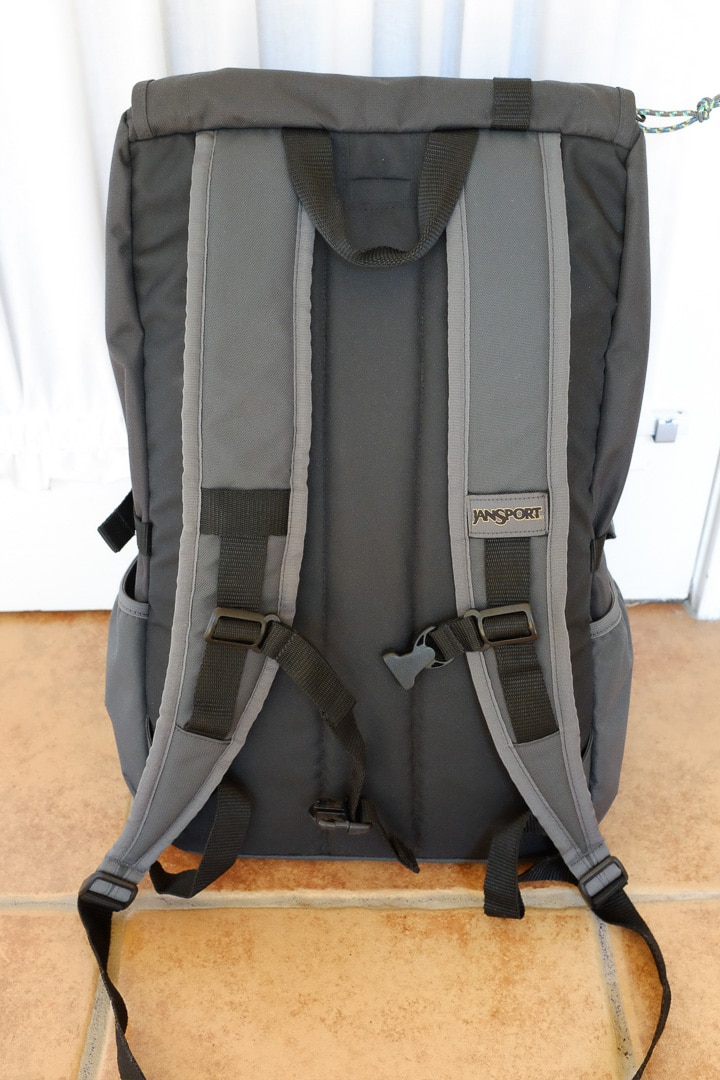
Jansport Hatchet Backpack in Grey Tar (Back)
Photo info: FUJIFILM X100T, 23mm, f/5.6, 1/250 sec, ISO4000
Jansport Hatchet Backpack in Grey Tar (Back)

Each side of the backpack has a large elasticized pouch for water bottles or other items, and above those are compression straps to cinch down the pack a bit. I keep my Panasonic TS2 camera in one of these pouches.
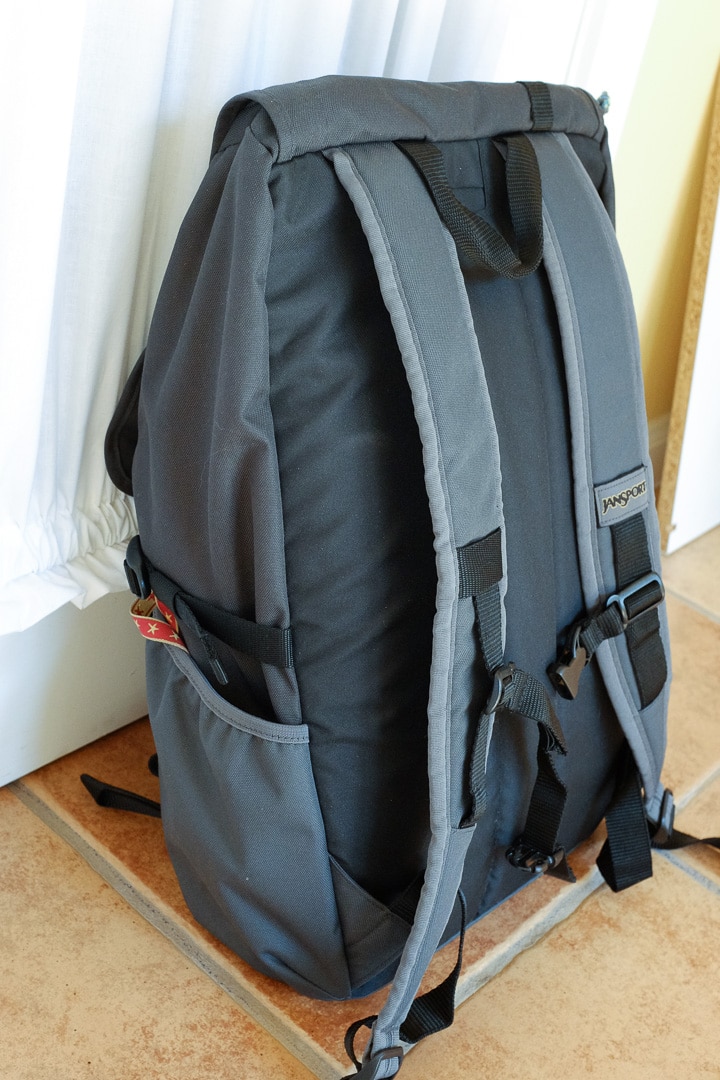
Jansport Hatchet Backpack in Grey Tar (Back side)
Photo info: FUJIFILM X100T, 23mm, f/5.6, 1/250 sec, ISO2500
Jansport Hatchet Backpack in Grey Tar (Back side)

The left side also has a zippered pocket, which is nice, but it’s pretty tight if you have something in the water bottle pouch. It’s great to have the drink pockets on both sides, which something my other bags lack.
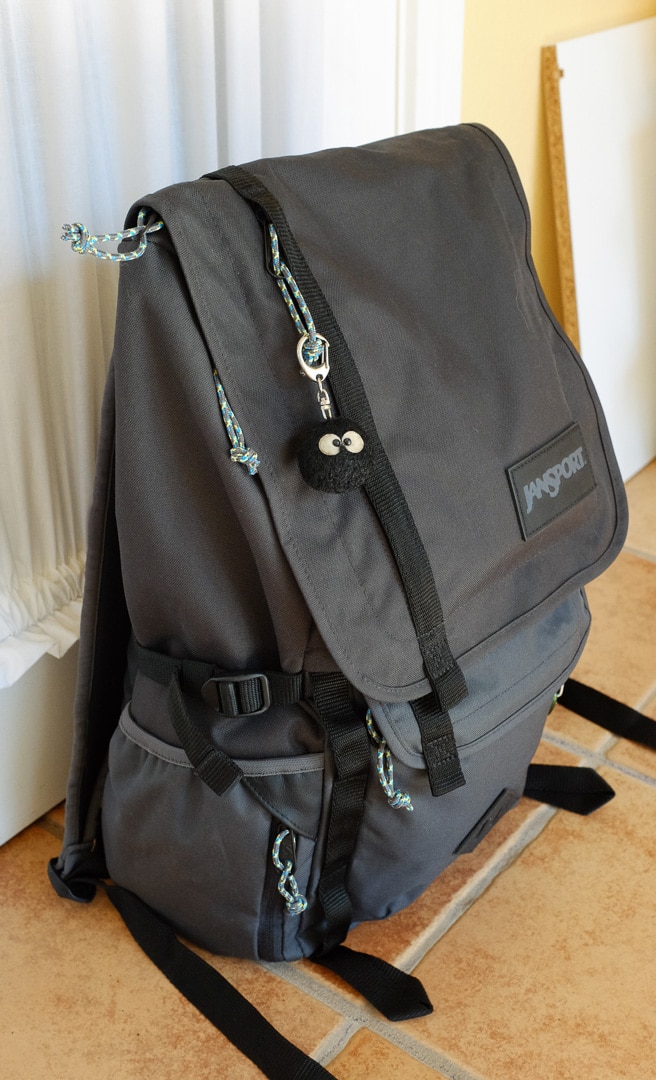
Jansport Hatchet Backpack in Grey Tar (Back side)
Photo info: FUJIFILM X100T, 23mm, f/5.6, 1/250 sec, ISO2000
Jansport Hatchet Backpack in Grey Tar (Left side with zippered pocket)

The back has some daisy-chain style loops in the straps (where I have a green Camp USA Nano Carabiner), and also two loops at the bottom of the pack, for strapping on other items. I guess some people strap their yoga mats there. In the center, there is a small zippered pouch hidden under a flap. It’s not so big, but it doesn’t stick out too far. Inside this pouch, I keep my Totoro zippered container which holds stuff like aspirin, eye-drops, gum, and other semi-perishables.
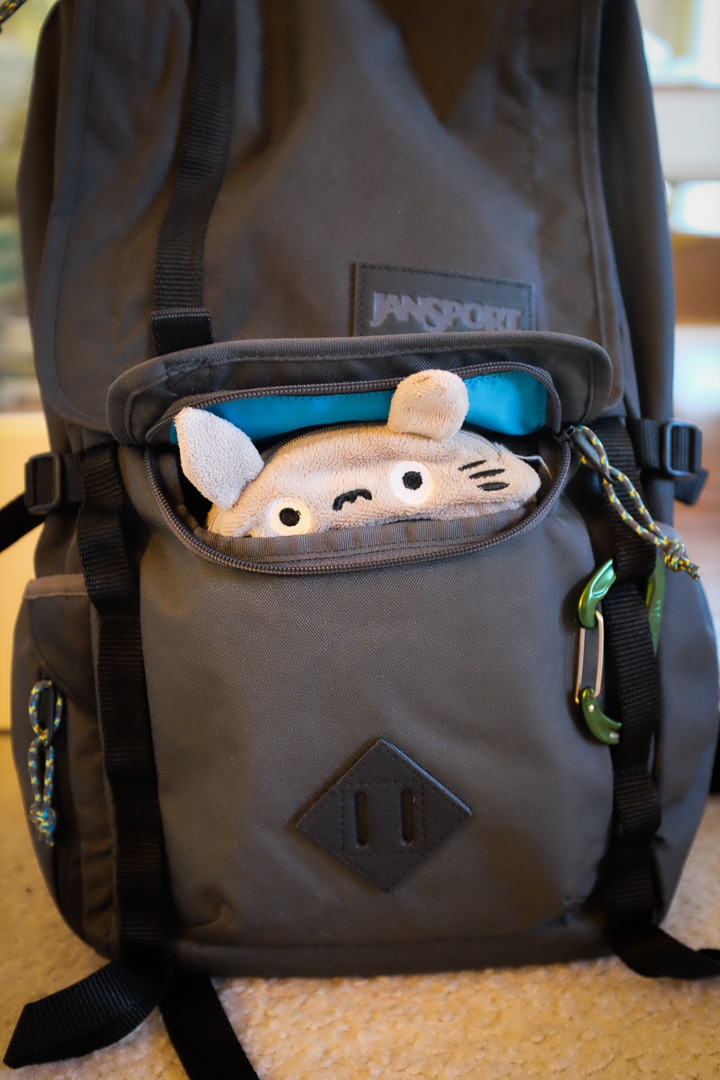
Jansport Hatchet Backpack in Grey Tar (Small Pocket)
Photo info: FUJIFILM X100T, 23mm, f/3.2, 1/25 sec, ISO6400
Jansport Hatchet Backpack in Grey Tar (Small Pocket)

Above that, on the main flap, is a vertical zipper which opens a pocket on the lid. You can see in the photos I have my makkuro-kurosuke from Totoro/Spirited Away. This pocket is really convenient to access. I keep my wallet and keys in there, but it’s a large pocket (the full size of the flap) so you could fit a lot in there.
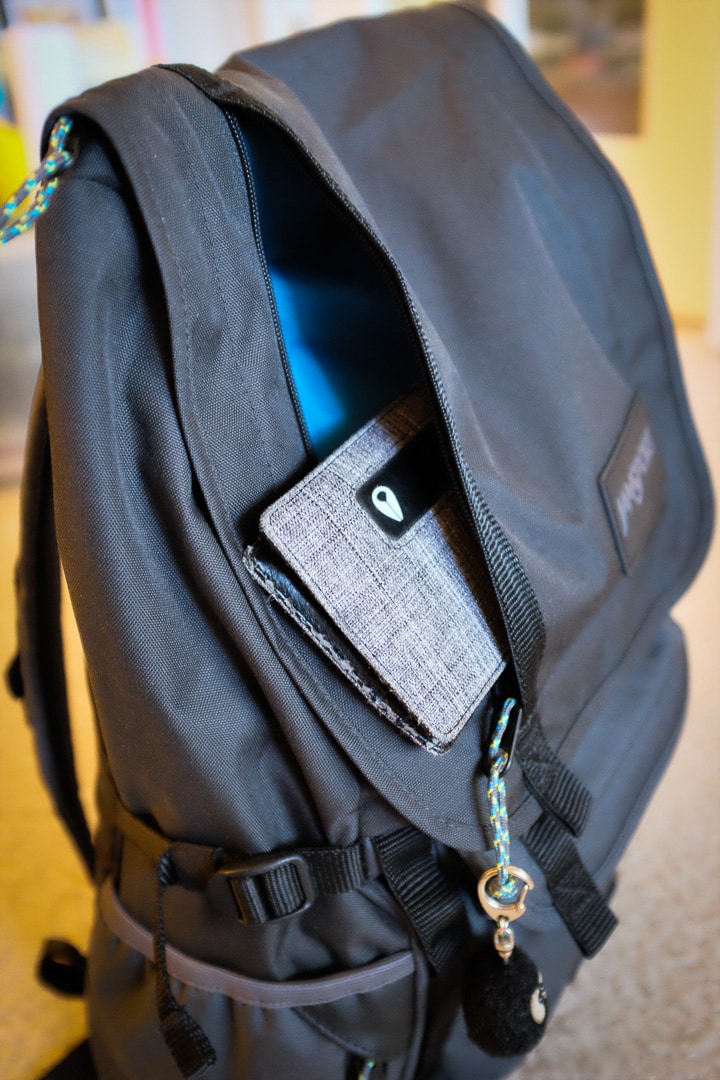
Jansport Hatchet Backpack in Grey Tar (Vertical Pocket)
Photo info: FUJIFILM X100T, 23mm, f/2.8, 1/35 sec, ISO6400
Jansport Hatchet Backpack in Grey Tar (Vertical Pocket)

One of the things that drew me to this backpack was the way the main compartment opened. When you zipper open the flap, you have easy access to the contents. On a conventional backpack, you are reaching into it from the top. With the JanSport Hatchet backpack, you have a larger opening to access your stuff.
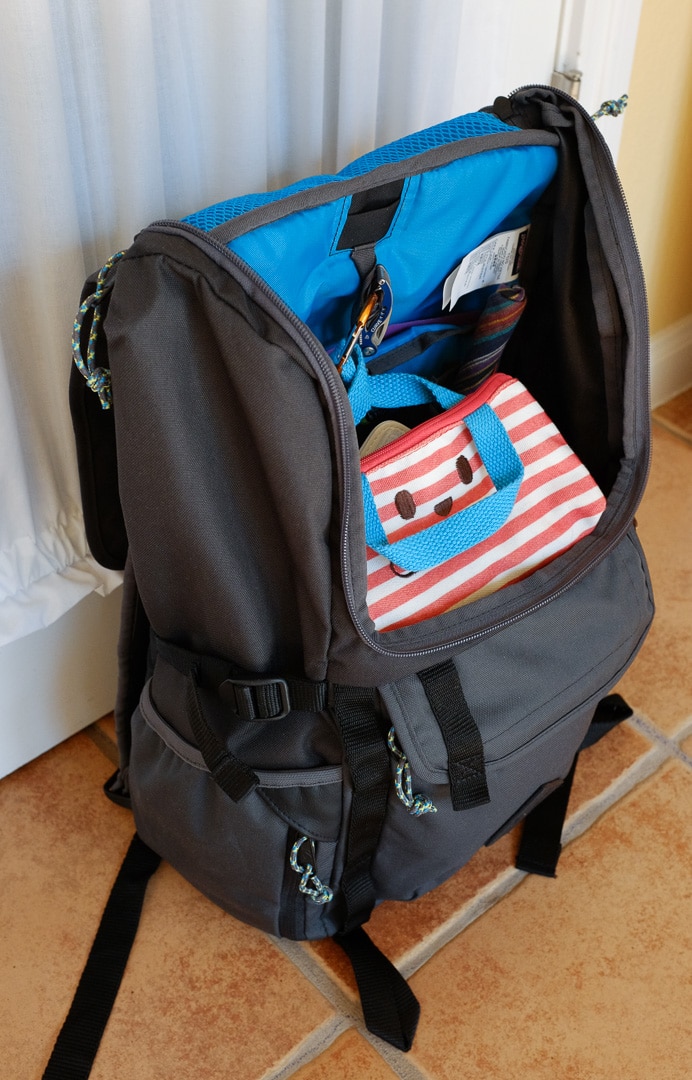
Jansport Hatchet Backpack in Grey Tar (Open)
Photo info: FUJIFILM X100T, 23mm, f/5.6, 1/250 sec, ISO1600
Jansport Hatchet Backpack in Grey Tar (Open)

This is pretty nice if you have a lot of things at the bottom of the pack. For myself, I put my padded camera-bag insert in the bottom, and in it I keep my Instax Printer, extra pack of film, Instax photo album, my small camp towel, and my Fujifilm X100T camera.

Jansport Hatchet Backpack in Grey Tar (Contents)
Photo info: FUJIFILM X100T, 23mm, f/5.6, 1/250 sec, ISO3200
Jansport Hatchet Backpack in Grey Tar (Contents)

One thing to keep in mind is that if you have the main compartment filled with stuff, it might fall out when you unzip the pack since the opening comes down halfway. In that case, it might be better to put the pack down on its back and open it up laying flat. Another drawback of this flap design is that the zippers are a little harder to operate since the ends of the zipper tracks are not so taut. It just takes some getting used to, but even so, it isn’t the easiest bag to open.
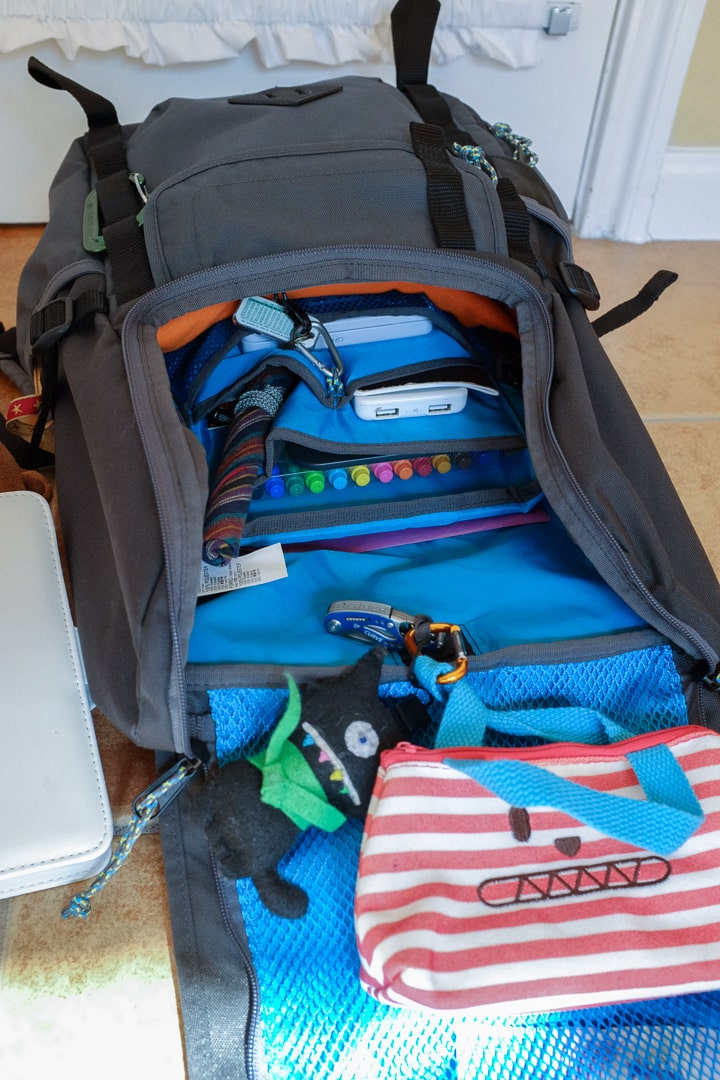
Jansport Hatchet Backpack in Grey Tar (Inside)
Photo info: FUJIFILM X100T, 23mm, f/5.6, 1/250 sec, ISO2000
Jansport Hatchet Backpack in Grey Tar (Inside)

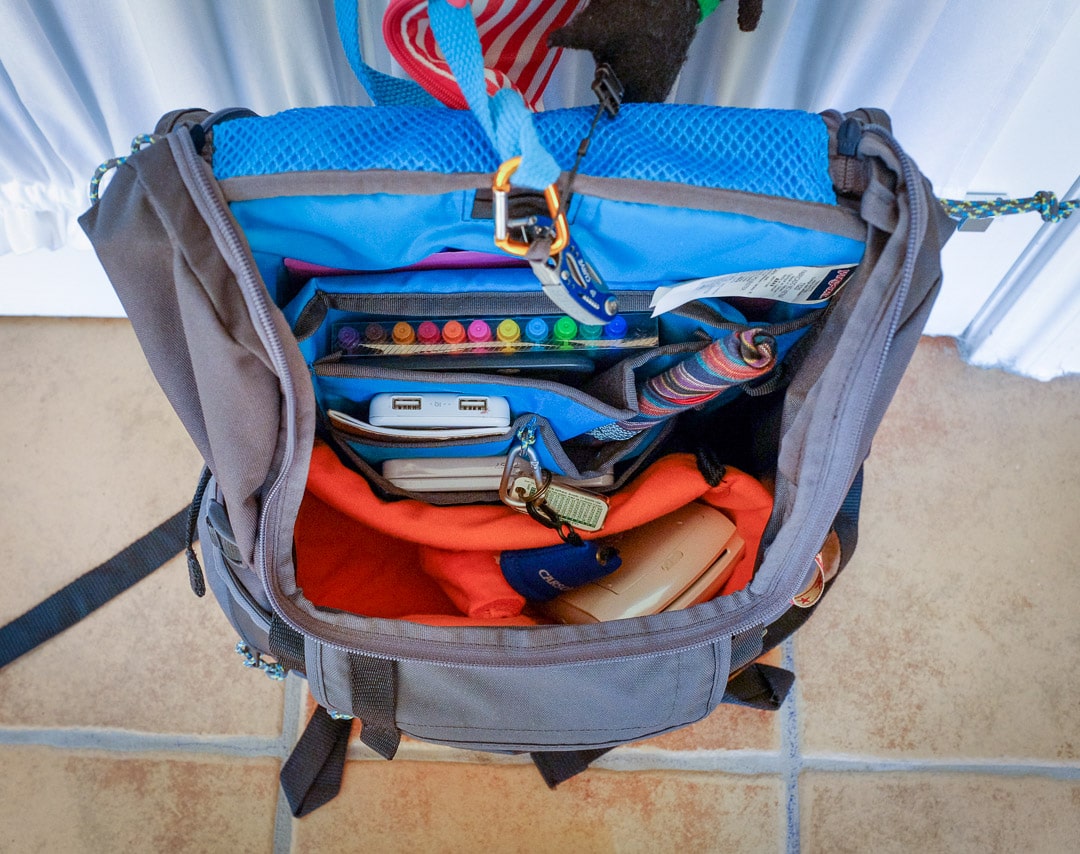
The rest of the main compartment consists of a lightly-padded space for a large laptop or hydration pack (I keep a clear file with papers in here), a smaller soft-lined sleeve for tablet-sized devices (I have my Kindle and Zebra McKee Colored Pens here), then two side-by-side pockets for smaller items, one of which is soft-lined. I keep my Anker battery, small notebook, Moo-cards in small Altoids tin, and a set of chopsticks. There is also a narrow mesh pocket which I’m not sure what you’d use for. Finally, there are two loops, one at the top of the pack, and one in the middle which has a carabiner attached. On the inside of the flap itself is a large, zippered mesh pocket. This is very nice since you can see what you have in this pocket without having to open it.
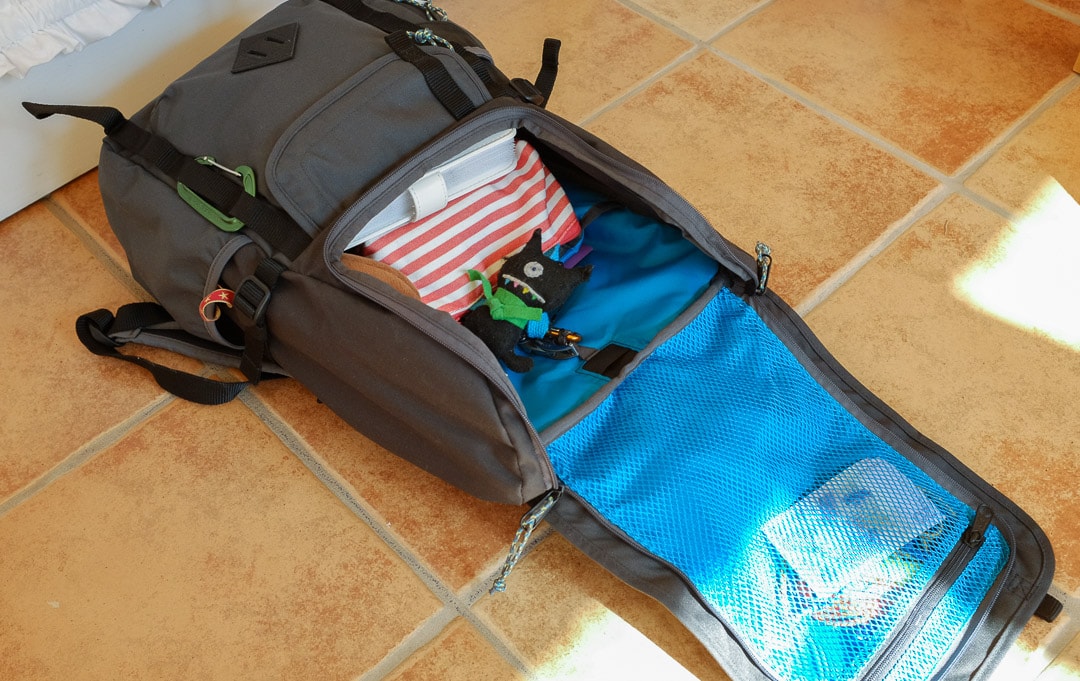
Jansport Hatchet Backpack in Grey Tar (Open Flap)
Photo info: FUJIFILM X100T, 23mm, f/5.6, 1/250 sec, ISO1600
Jansport Hatchet Backpack in Grey Tar (Open Flap)

Overall, I’m disappointed in the interior organization. For instance, there are no dedicated spaces for pens, nor are there any zippered pockets inside. In comparison, the seemingly much-smaller Patagonia Minimass messenger bag has many more pockets, including zippered, velcroed, pen pockets, and mesh. It actually organizes all of the items nicely, while the JanSport Hatched has run out of pockets! So, what is going on here? Well, the JanSport designers should have taken full advantage of the height of the backpack and extended the top of the laptop sleeve farther up towards the top edge of the backpack (up to the hydration opening). There are at least four inches there that they could have used to put more organizational pockets. Instead, it’s just a lot of wasted surface area.
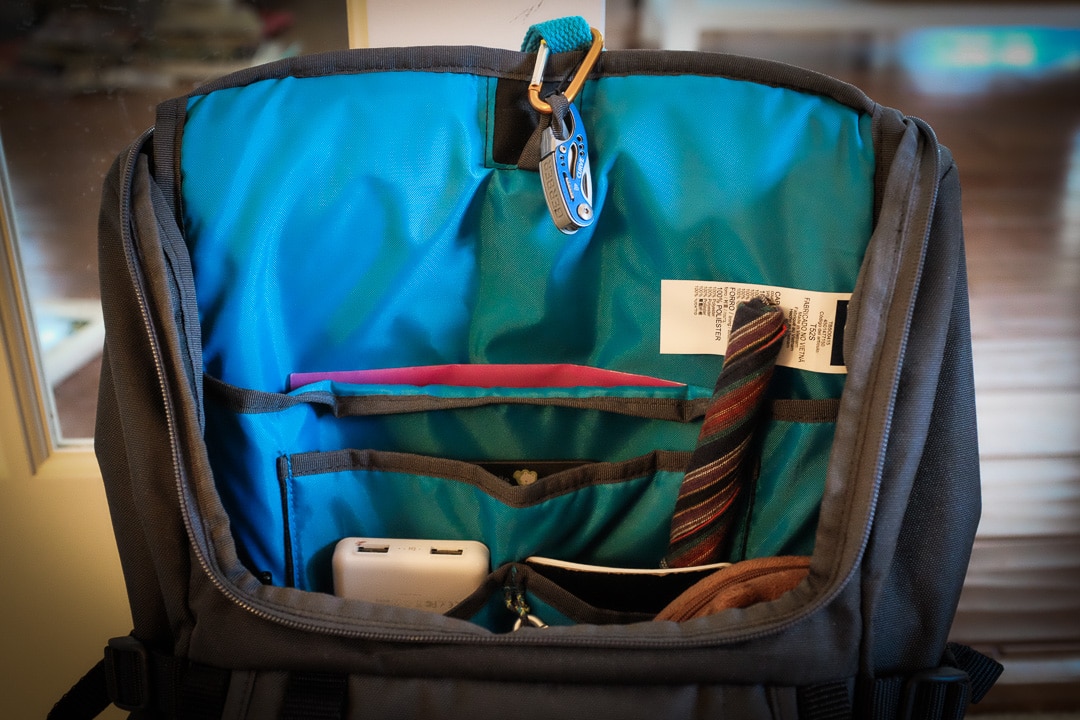
Jansport Hatchet Backpack in Grey Tar (Pockets)
Photo info: FUJIFILM X100T, 23mm, f/3.6, 1/30 sec, ISO6400
Jansport Hatchet Backpack in Grey Tar (Pockets)

Because of this lack of organization, I am using some extra bags and storage units. For pens, I have a red and white striped pencil bag that I found at Daiso. I hung it from the top loop (along with my ugly doll) and it hangs loosely in that wasted space. It actually hangs too low, so I am looking for a different solution that I can fill the space at the top of the backpack. For electronics-related items, I have a brown LINE character zippered pouch. It holds USB cables, USB wall plug, two camera batteries, LensPen, SD memory cards, and USB memory sticks. That just sits on top of my Instax Printer.

There may be other storage hacks I can apply to add more storage. For instance, if I can find the right kind of bag or pouch, I can fasten it to the mesh pocket so that it will sit high up in the interior space. It’s disappointing, though, that I have to look at adding more organization to this backpack. On my North Face Router pack, there are so many places to put things, I was wondering, “What should I use this pocket for? And this pocket?” But with the JanSport Hatchet, it was the opposite. I was wondering, “Where the heck am I going to put these cables? Where should I put the spare batteries?” etc. Even the Patagonia Minimass bag had more options. I guess I was expecting more from the backpack.
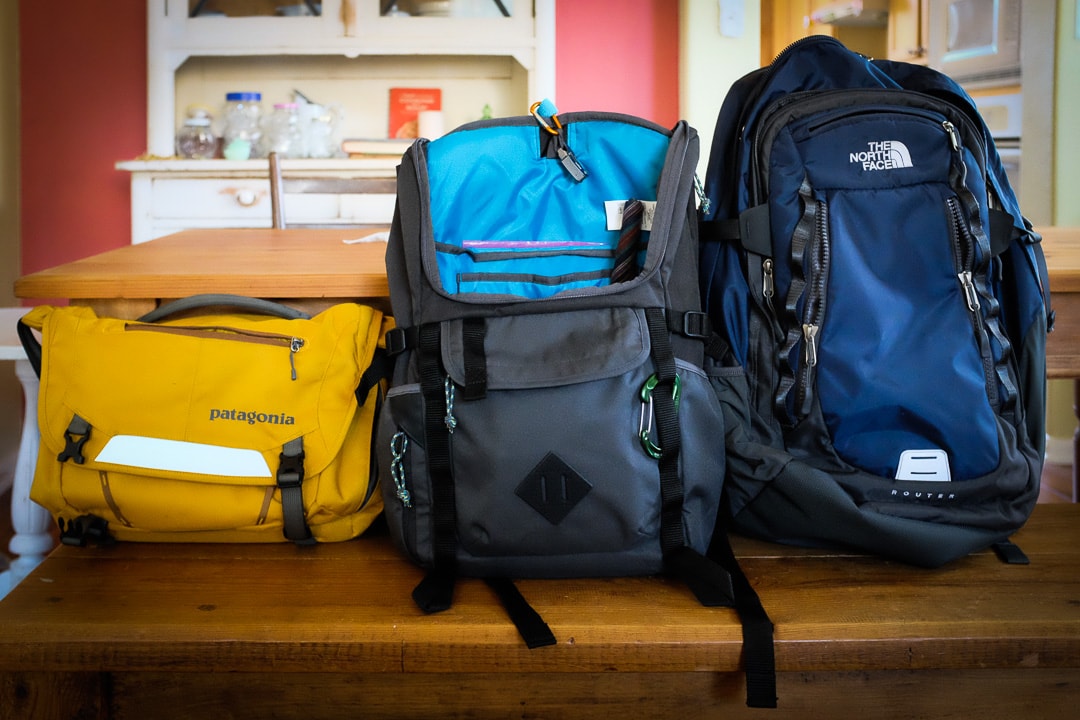
Patagonia Minimass, JanSport Hatchet, North Face Router
Photo info: FUJIFILM X100T, 23mm, f/3.6, 1/35 sec, ISO6400
Patagonia Minimass, JanSport Hatchet, North Face Router

But, the advantage of the backpack is that it can expand a bit in that top area. I have no problem stuffing my jacket in there, which would be impossible with the Patagonia Minimass.

Also on the plus side, the JanSport Hatchet backpack was relatively inexpensive. I found it on sale for $40, and I had an REI dividend to use, so it only cost me $30 including shipping. That’s only a third of the cost of the Patagonia Minimass, and a quarter of the price of the North Face Router pack. So, I guess the phrase, “You get what you pay for,” definitely applies to bags and backpacks!

What’s kind of neat is that if you have the flap open, you can use the strap that is on the outside of the flap to loop around a hanger or something, and the backpack can hang on the wall totally open, like some kind of giant travel toiletries kit.
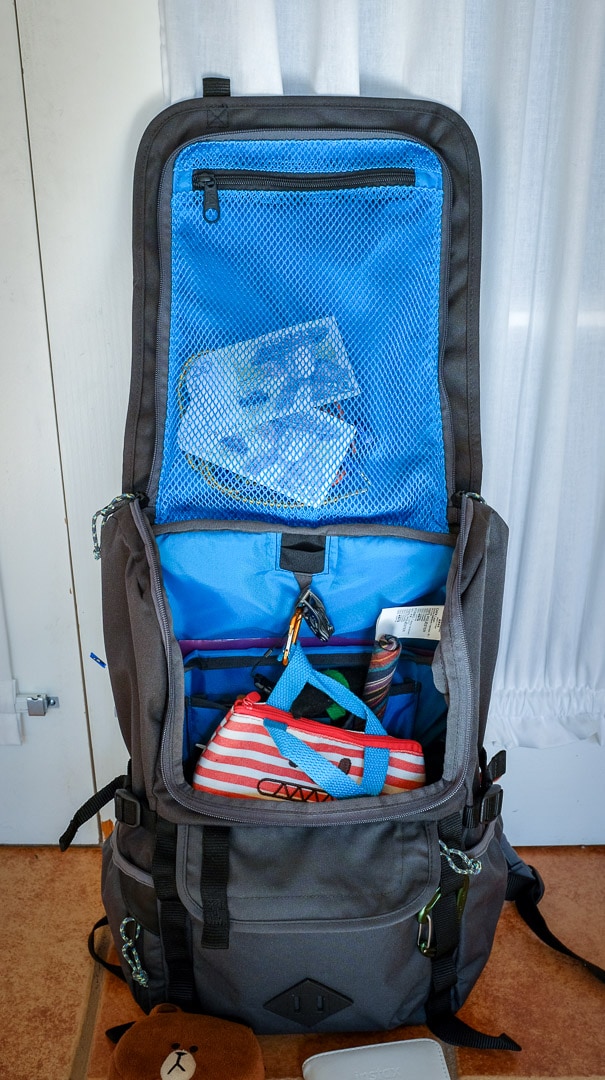
Jansport Hatchet Backpack in Grey Tar (Flap up)
Photo info: FUJIFILM X100T, 23mm, f/5.6, 1/250 sec, ISO800
Jansport Hatchet Backpack in Grey Tar (Flap up)

Here’s a look at most of the stuff I keep in the JanSport Hatchet backpack. I just noticed… I have 5 “creatures” along for the ride!
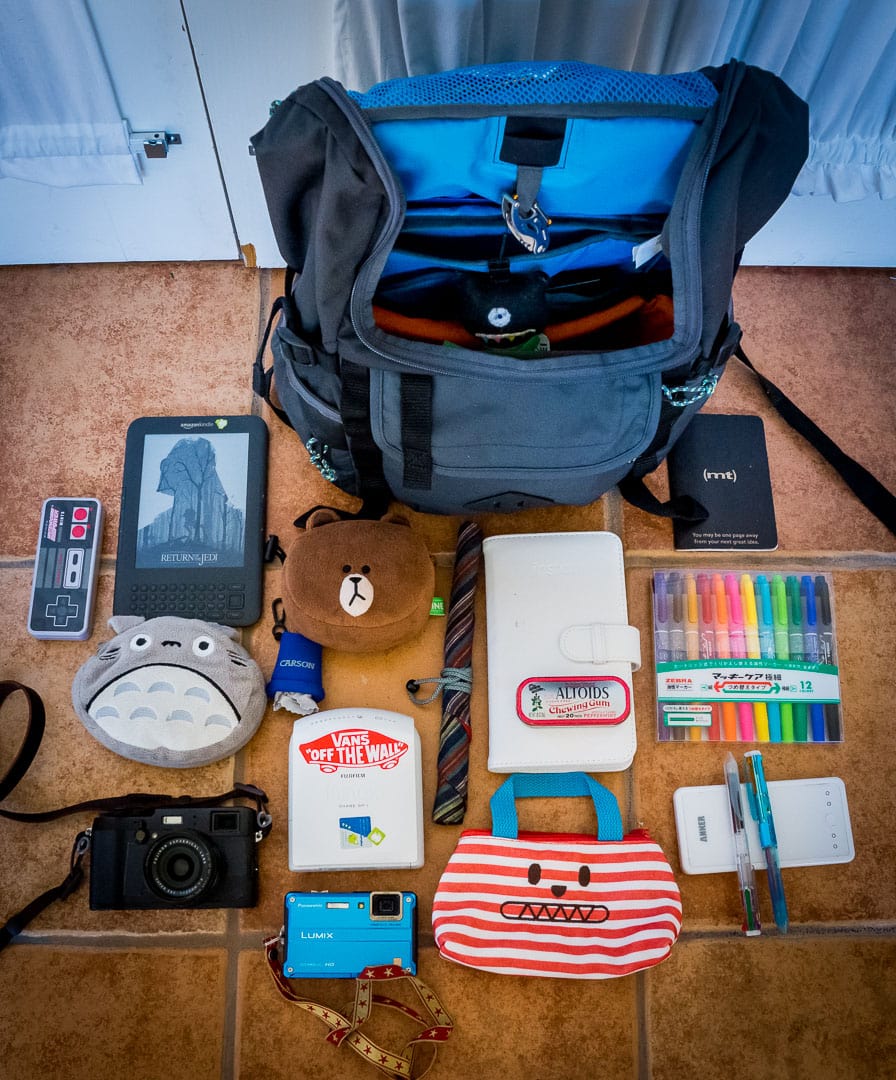
JanSport Hatchet Backpack (What's In My Bag)
Photo info: SONY SLT-A77V, 16mm, f/6.7, 1/200 sec, ISO800
JanSport Hatchet Backpack (What’s In My Bag)

In conclusion, the JanSport Hatchet backpack is a comfortable, stylish, and functional backpack which has the potential to be great but falls short because of the poor interior organization. Still, for the price, it’s a pretty good backpack. Plus, JanSport backpacks have a lifetime guarantee, so if anything goes wrong or wears out, they will replace it for free! So, I’ll be using my new backpack regularly, while I look for ways to improve the interior situation. 3.5 out of 5 stars!

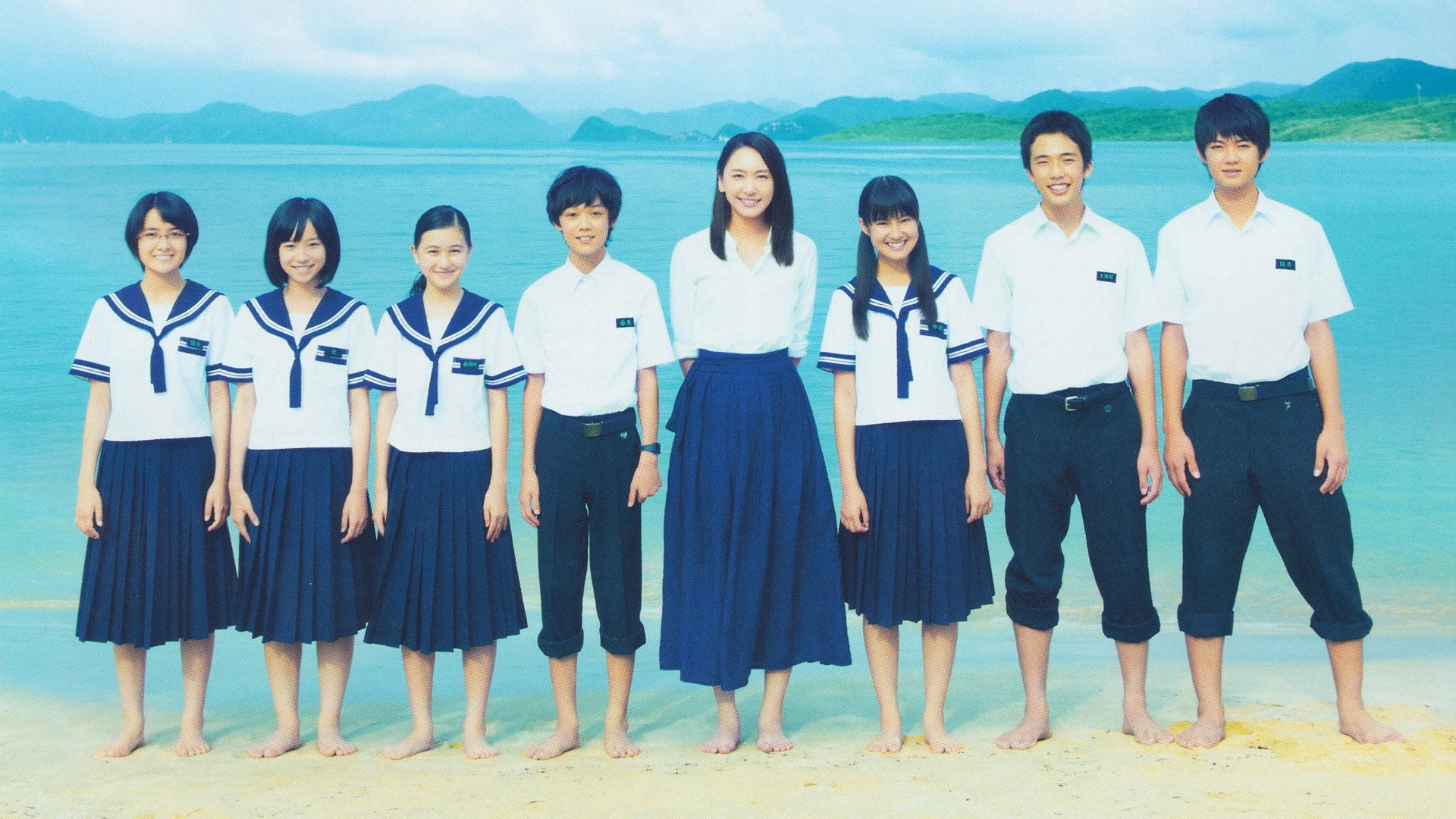
Have a Song on Your Lips (くちびるに歌を)

Have a Song on Your Lips (くちびるに歌を)

My first movie of the year to watch was 2015’s “Have a Song on Your Lips” (くちびるに歌を) starring Aragaki Yui, and based on a novel of the same name. I enjoyed it quite a bit, especially the setting of eastern Nagasaki. The ocean and islands are amazing – I wouldn’t mind living there!

The story is about an accomplished concert pianist (Aragaki) who returns to her hometown to substitute teach the middle school music class as a favor for her childhood friend (played by Kimura Fumino) who is going on maternity leave. For reasons that we are unaware of at the beginning of the story, she hasn’t played piano for a year. The main plot is about her and her students’ transformations as they prepare for the regional choir competition.

I’ve watched a couple movies starring Aragaki Yui in the past year and I have been impressed with her acting. It has greatly improved since I first saw her in a dorama a few years ago. I can’t wait to see her in more movies!

Have a Song on Your Lips (くちびるに歌を) is a beautiful movie, with plenty of contemplative moments and wonderful acting… I recommend it if you like slow-paced and heartwarming films!

Have a Song on Your Lips (くちびるに歌を)

NHK’s Mare (まれ)

NHK's "まれ"
NHK’s “まれ”

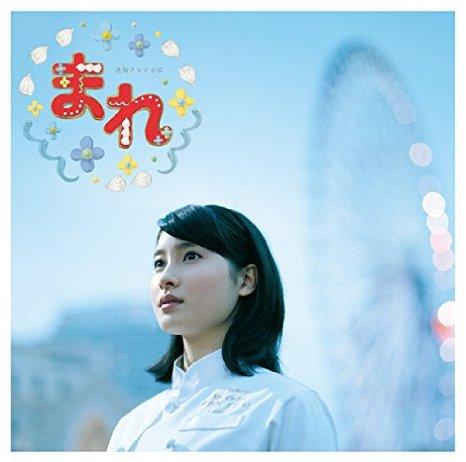
I had such high hopes for NHK’s Mare まれ, the 92nd asadora from NHK, but overall it was disappointing. Tao Tsuchiya (土屋太鳳) is one of my favorite Japanese actors and the story of her quest to become the world’s best patissier showed promise, so I was really looking forward to watching. Unfortunately, the story got derailed by too many sub-plots and consequently never got too deep into the main plot, which was by far the most interesting.

The story had a solid start, establishing that the family “fled” Tokyo after going into debt, and was looking for a new home. We learn about Mare’s personality and her feelings about ambitions and having dreams. So far so good. The story got even better after Mare moved to Yokohama and started her apprenticeship at the patisserie. The relationships she had with the head chef, sous chef and assistant were interesting and fun, and just when it seemed like the the story was going to the next level, the silly sub-plot of the Wajima lacquer appeared and it got booooriiing! What an incredible and effective way to put the brakes on an interesting story – introduce the passion that is Wajima lacquer. Zzzzzz… It seemed like there were a few times when the story went back and forth between being intriguing (and returning to pastry-making), only to turn yet again into a snooze-fest. There’d be a glimmer of hope, only to disappear. Boy, the middle weeks of the drama were really a struggle!

Here’s a short list of the subplots that they should have cut from the script:

  • Wajima lacquer
  • Ichiko’s big-city experience and wan-wan blog
  • Takashi’s weird crush on Mare’s mother
  • Maki’s mysterious past
  • Keita’s cold relationship with his father
  • Mare becoming proprietress of the lacquer business
  • The fisherman’s omiai

There were several other subplots that wasted airtime, but I’d rather not spend any more time thinking about them. On the other hand, here are the things they should have kept exploring:

  • Mare’s apprenticeship (including France trip that never happened)
  • Mare’s relationship with her estranged grandmother
  • Mare and Toko’s professional rivalry
  • Mare and the Chef’s apprentice/master relationship
  • Mare’s pastry shop
  • Anything else that has to do with Mare’s quest to become the World’s Best Patissier

My last rant has to do with the plot trying to span too much from a time-frame. For instance, Ittetsu gets married too quickly and has kids. Let’s imagine that he didn’t get married or have kids. The show would have been exactly the same! What a waste of screen time. And then, Mare also gets married and has kids. Too much.. too soon. I know that family is one of the main themes of the show, but really, they could have developed the family theme more quickly and strongly without bringing in kids. The theme of having both a career and being a mother seemed forced, especially since it was introduced so late in the show. They should have kept the theme simpler… sacrificing your career for your spouse’s, which was a theme from earlier on.

In the last couple weeks of the show (when the plot became interesting again), a couple of the characters point out that Mare has lost 8 years of her patissier life… I kept thinking that the show lost 8 years of plot development! That’s a real shame because I think the actors, particularly Tao Tsuchiya, did a great job.

If you take a look at the character chart below, you could pretty much keep the top row of characters, the Yokohama crew in blue, plus Mare’s grandmother, and you’d have a much better show.

Mare Character Chart

New Phone – Moto G

Moto G and 木村 文乃
Photo info: SONY SLT-A77V, 50mm, f/2.8, 1/90 sec, ISO125
Moto G and 木村 文乃

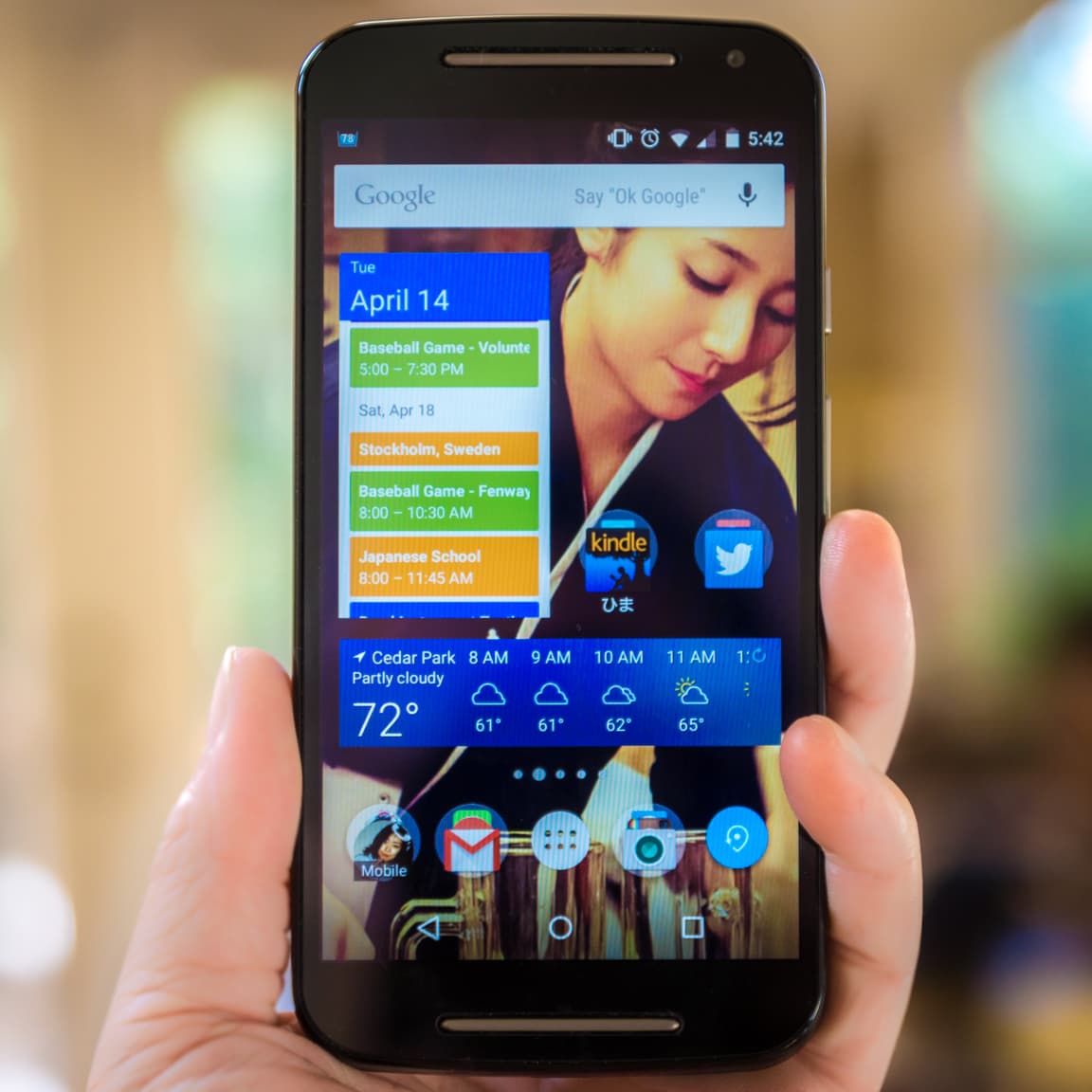
This is my new phone: a Motorola Moto G (2nd generation). My two-and-a-half-year-old Galaxy S3 finally died after a few resets and so I decided that it was time. The Moto G is not the latest and greatest in terms of technology, but it is decent, comes with the latest version of Android, and is only $179 total, off-contract.

One thing I have learned is that I do not have to load every app under the sun to have a great experience. After resetting the S3, I had to reinstall apps and each time I reset it, I would install less and less, until I was down to the bare essentials. I realized which apps I actually used and now my phone is pretty uncluttered. Also contributing to the streamlined phone is that it runs stock Android, not some manufacturer skin. So it’s nice and fast. That speed is a great feeling! (and no monthly payments is also wonderful)

South of the Border, West of the Sun

South of the Border, West of the Sun by Haruki Murakami

Just a couple of weeks into the new year, and I have finished reading my first book! South of the Border, West of the Sun
by Haruki Murakami has been sitting on my shelf for a long time now (the receipt I found in the book showed that I bought it at Borders 14 years ago!). Actually I sort of forgot about it, but when I started reading it I couldn’t put it down! That happens often when I read a book by Murakami.

I won’t go into the plot of the story, but the one thing that I kept thinking as I was reading it is that I really miss Japan. This is normal a normal reaction with all his books. But I always can picture the scenes, especially the ones in the city and I can remember when I stood in the same locations as his characters. At least the same neighborhoods.

Like most of Murakami’s works, there are many details that get left unsaid and unexplained. It’s fascinating to read about everyone’s theories about these loose ends. There’s a nice thread on Reddit if you’d like to read them.

I enjoyed South of the Border, West of the Sun quite a bit. I’m now ready to move on to his latest work, Colorless Tsukuru Tazaki and His Years of Pilgrimage: A novel which I found at my local library’s digital catalog.

Sutekina Sen TAXI – 素敵な選TAXI

Sutekina Sen TAXI
Sutekina Sen TAXI

Sutekina Sen TAXI – 素敵な選TAXI is such an enjoyable show! The plot is basically that this taxi can go back in time so the passengers can replay different situations and make better choices to achieve better outcomes. It’s a neat idea, but what makes is really great is that the taxi driver is such a fun character. He’s so uncool, yet likable, earnest, and innocent. Perfect casting of Takenouchi Yutaka and great acting!

In each episode, the taxi “time-slip” (when the taxi goes back in time) gags get funnier and funnier. And I love how the characters from the seemingly separate stories come back to make appearances in later ones. The Criminal Detective show is hilarious too. I love it! I highly recommend finding the torrent or the online subbed episodes.

Leader of the Gang
Leader of the Gang

Episode 7 is the funniest so far, with the main character Onishi Mari’s gang-leader past being revealed.

Time-slip Sound Effects

That’s Kimura Fumino above. She has the same birthday as me – 10-19! The taxi-driver is so excited about installing sound effects in his car. lol

Time-slip Safety Goggles

All of the episodes are pretty funny, but episode 8 was quite a tear-jerker as well. I didn’t realize that the Yu-chan character in this episode was Yuka (in the center in the photo above) from episode 6 until the episode was over. And then the doctor from episode 5 returns at the very end. Yoshida Yo, my favorite!

The icing on the cake is that the theme song is by one of my favorite singers, Aiko.

Sutekina Sen TAXI Official site